In the grand theater of shooter franchises, Battlefield has spent recent years alternating between explosions and apologies. Back in 2021, EA decided the series needed a new sheriff, handing oversight to Vince Zampella, the Apex Legends studio co-founder and a man whose resume reads like a live-service shooter cookbook. The announcement was less a tweak and more a strategic airstrike: DICE would no longer be the sole developer of Battlefield, and the franchise would be expanded by DICE, Ripple Effect Studios, and a new team from Halo co-creator Marcus Lehto. Cue dramatic music, nervous community managers, and a lot of players refreshing forums at 3 a.m.
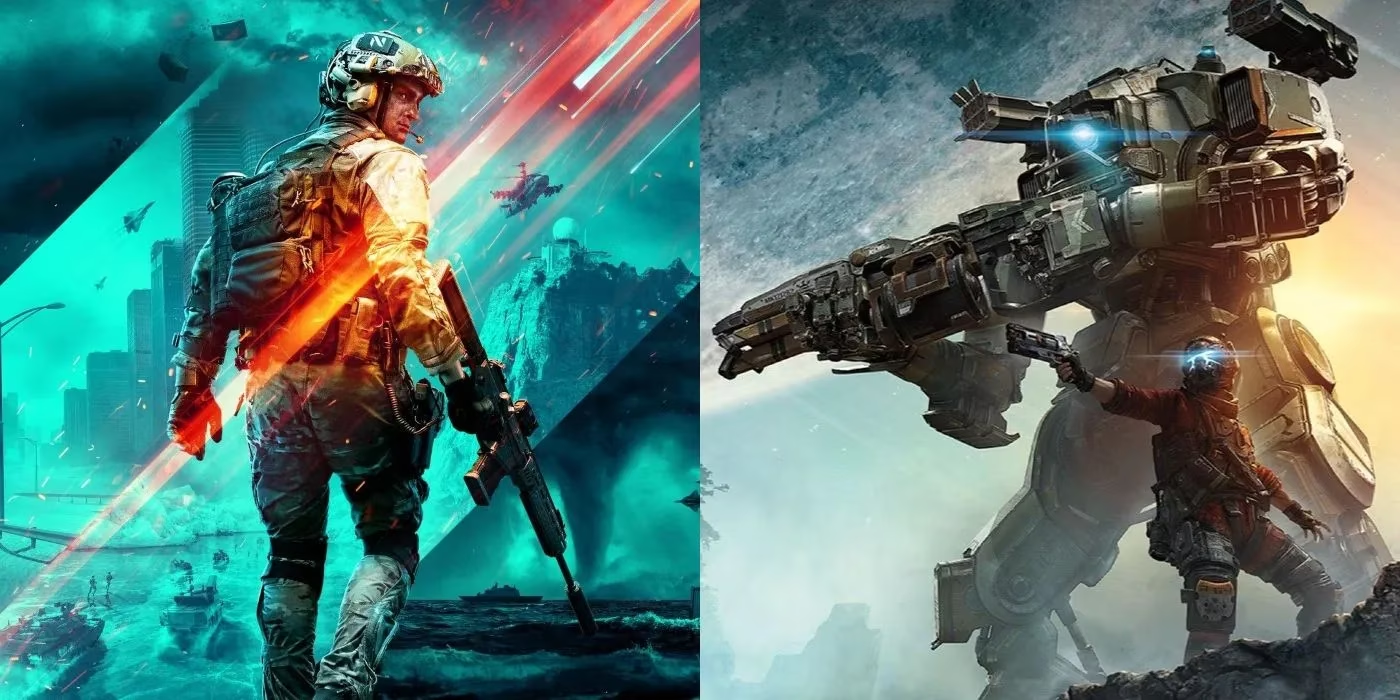
The timing was not subtle. Battlefield 2042 had already face-planted into launch-day chaos, and its player numbers reportedly dropped by 70% in a matter of weeks. EA chief operating officer Laura Miele clearly believed the rescue plan needed a proven shooter whisperer, saying that 'I believe the structure, process, and vision he brings will enable Battlefield to excel like never before. No one knows shooters and live services better than Vince.' That is corporate confidence with a side of hopeful artillery fire, and after 2042's dismal debut, hope was about the only ammunition EA had left.
🎯 The Three-Studio War Room
The new Battlefield structure looked less like a single developer grinding away and more like a coordinated squad with very different specializations. EA kept the specifics under wraps, but the broad shape was clear enough to sketch on a whiteboard.
| Studio | Assigned Role | Battlefield Vibe |
|---|---|---|
| DICE | Core Battlefield development | The battle-scarred veteran who knows where the bodies are buried |
| Ripple Effect Studios | A new 'experience' for the franchise | The experimental cousin with Portal mode on its resume |
| Marcus Lehto's team | Storytelling and universe expansion | The lore librarian with a Halo-sized imagination |
Ripple Effect was not a random name pulled from a hat. The studio had previously been DICE LA, then rebranded as Ripple Effect Studios in 2021 while working on Battlefield 2042's Battlefield Portal mode. Portal was a hub for old-school Battlefield games running inside the 2042 engine, and it earned praise even while 2042 itself was being dragged through the mud. In a game that often felt like a live-service apology form, Portal was the one section that felt like a love letter.
🧨 Portal Was the Tiny Bright Spot
Battlefield 2042's launch was messy enough to make a community manager age in dog years. Yet Portal stood out because it understood something fundamental: Battlefield players love the franchise's history, not just its newest gadgets. Throwing classic Battlefield toys into a modern engine was a clever way to remind everyone why they cared in the first place. It also hinted that Ripple Effect had bigger ambitions than being a support studio with a fancy new nameplate.
That mattered because EA's plan was not merely to patch 2042 until the complaints became quieter. The company wanted to expand the IP in multiple directions, with Ripple Effect developing a new experience and Lehto's team fleshing out the storytelling in the Battlefield universe. In theory, this could give the franchise a unified vision instead of a pile of disconnected features, maps, and moody trailers.
🛠️ The 2026 Reality Check
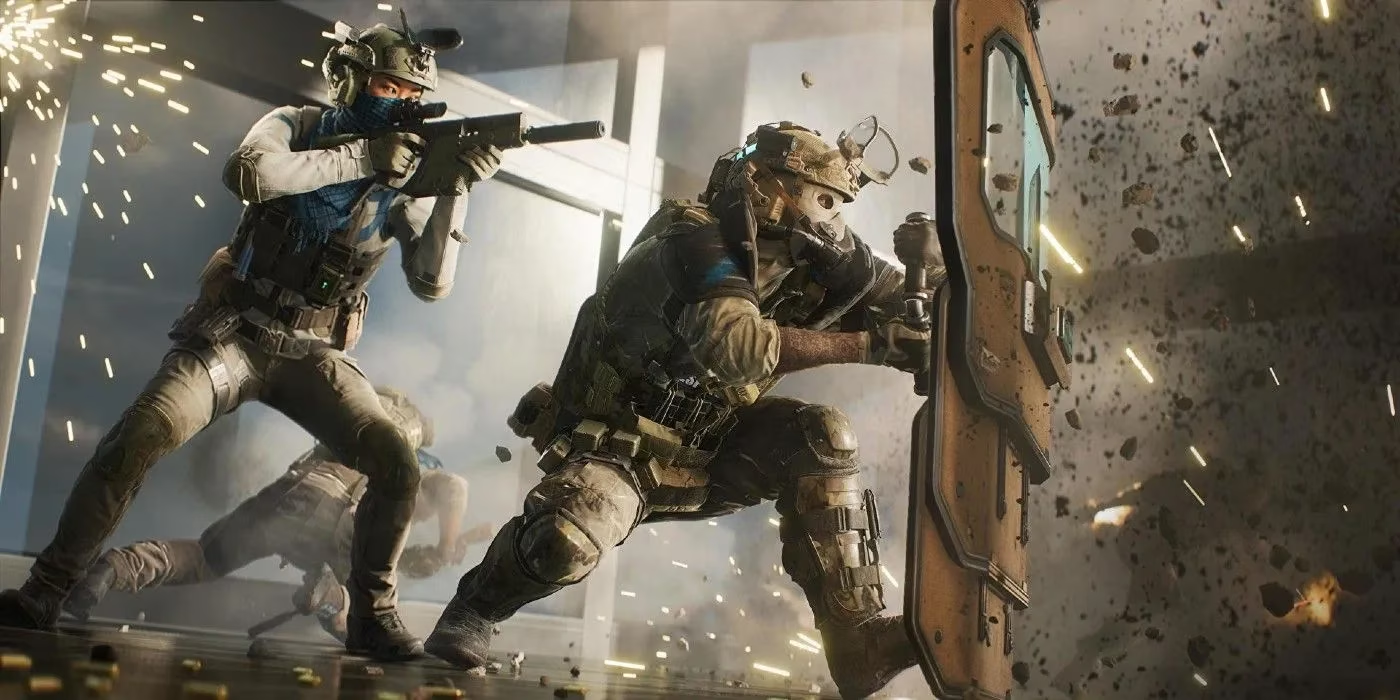
As of 2026, this restructuring remains best viewed as a long-term bet rather than a magic wand. EA committed to supporting Battlefield 2042 for at least a year after launch, which sounded generous in 2021 and now sounds like the tutorial level of a live-service roadmap. The company clearly wanted to keep things going well beyond that window, and some of what Lehto's team was doing was expected to be integrated into 2042. The series had been on shaky ground for years, so the shake-up was a concentrated effort to create a unified vision and structure for the franchise moving forward.
There was also the awkward matter of the massive Battlefield 2042 patch that arrived during the drama. It was good that the game was being fixed, but much of the patch contained content that should have been present on day one. That is the live-service equivalent of a restaurant proudly announcing that it has finally installed chairs. Players noticed, and the wariness around the series did not evaporate just because a new organizational chart looked nice.
⚠️ What Could Go Right
-
A proven shooter brain: Zampella's track record with Apex Legends gave EA a credible argument that Battlefield could be guided by someone who understands shooters and live services.
-
More than one studio: DICE, Ripple Effect, and Lehto's team could cover core multiplayer, experimental modes, and narrative world-building without forcing one studio to do everything.
-
A unified vision: The franchise needed a coherent plan, not another cycle of launch, panic, patch, and apology.
-
Portal's proof of concept: If Ripple Effect could make nostalgia feel playable, it might have a future beyond cleanup duty.
💥 What Could Go Wrong
-
Too many cooks with grenades: Multiple studios can create synergy, or they can create a battlefield of competing priorities.
-
Live-service fatigue: Players are less patient than ever with games that feel unfinished at launch.
-
Identity drift: Battlefield is not Apex Legends, and it should not try to become a hero-shooter with tanks.
-
Trust debt: After 2042's botched launch, every promise arrives with a skeptical audience holding a clipboard.
For now, Battlefield remains a franchise with a famous name, a bruised reputation, and a new general holding the map. Vince Zampella may not be able to single-handedly reload the entire series, but EA has at least stopped pretending that one studio and one patch can fix everything. The plan is ambitious, the history is complicated, and the community is watching like a squad that has been burned before. Whether this becomes a glorious comeback or another cautionary tale depends on execution, and in Battlefield, execution is usually measured in explosions.
Leave a Comment
Comments